If you’re a parent navigating the world of autism services for the first time, you’ve probably come across the acronym “BCBA” more than once — on therapy center websites, in insurance paperwork, and in conversations with your child’s pediatrician. But what does it actually mean, and why does it matter so much when choosing the right ABA therapy provider for your child? Understanding what a BCBA is — and what sets a great one apart — can be one of the most important steps you take in your child’s journey.
What Does BCBA Stand For?
BCBA stands for Board Certified Behavior Analyst. It is a graduate-level professional certification awarded by the Behavior Analyst Certification Board (BACB), the international governing body that sets the standards for the field of Applied Behavior Analysis (ABA). To earn the BCBA credential, a professional must complete a graduate degree (master’s level or higher) in behavior analysis, education, or psychology, accumulate thousands of supervised hours of hands-on clinical experience, and pass a rigorous national certification exam. Once certified, a BCBA must continue their education through ongoing professional development to maintain their credential. In short, becoming a BCBA is not easy — and that’s by design. The credential exists to protect families and children by ensuring that the people designing and overseeing ABA therapy programs have met a high, verified standard of training and expertise.
What Does a BCBA Actually Do?
Many parents are surprised to learn that a BCBA is not always the person sitting directly with their child during every therapy session. Instead, the BCBA functions as the clinical lead — the expert who designs the entire treatment program and oversees everything that happens within it. Here’s what a BCBA typically does in the context of ABA therapy for a child with autism: Conducts Assessments. Before therapy even begins, the BCBA performs a thorough evaluation of the child. This includes observing the child, gathering information from parents and caregivers, and sometimes conducting formal standardized assessments. The goal is to understand the child’s current skill levels, identify areas of need, and pinpoint any challenging behaviors that need to be addressed. Designs the Treatment Plan. Based on the assessment, the BCBA creates a fully individualized treatment plan. This is not a one-size-fits-all document — it is a carefully tailored roadmap built around your specific child’s strengths, challenges, and goals. It outlines what skills to teach, what behaviors to reduce, and exactly how to do both. Supervises the Therapy Team. In most ABA programs, the day-to-day therapy sessions are delivered by a Registered Behavior Technician (RBT) — a trained paraprofessional who works directly with the child under the BCBA’s supervision. The BCBA monitors the RBT’s work, reviews data collected during sessions, and makes ongoing adjustments to the program as the child progresses. Trains Parents and Caregivers. One of the most powerful things a BCBA does is teach you how to support your child at home. The skills a child learns in therapy need to generalize to real life — at the dinner table, at bedtime, in the car, at the grocery store. A good BCBA ensures that parents and caregivers are active partners in that process. Tracks Data and Adjusts the Program. ABA therapy is driven by data. Every session, the therapy team records measurable information about how the child is performing on each goal. The BCBA regularly analyzes this data to determine what’s working, what needs to change, and when a child is ready to move on to new goals.
Why Does the BCBA Matter So Much?
The quality of your child’s BCBA is arguably the single most important factor in the quality of your child’s ABA therapy. Here’s why. ABA therapy is not a simple, scripted process. Every child with autism is different, and what works beautifully for one child may not work at all for another. It takes deep clinical knowledge, creative problem-solving, and genuine experience to craft a program that truly fits a child — and to adjust it in real time as that child grows and changes. A highly experienced BCBA brings something that no checklist or training manual can fully capture: clinical judgment. They know when to push a child further, when to slow down, and how to handle setbacks without losing momentum. They know how to read a family’s dynamics and help parents feel confident rather than overwhelmed. And they know how to take an evidence-based technique and apply it in a way that feels natural, meaningful, and effective for a real child in the real world. Beyond skill, the BCBA also sets the tone for the entire therapy team. When a BCBA is engaged, present, and deeply invested in each child’s progress, that energy flows through every layer of the program — including the RBTs who work with your child every day.
Questions to Ask When Evaluating a BCBA or ABA Therapy Center
When you’re researching ABA providers, asking a few targeted questions can make a big difference in finding the right fit for your family. How much direct supervision does the BCBA provide? The BACB requires a minimum amount of supervision, but the best programs exceed that minimum. At Mestre Behavior, for example, BCBAs provide face-to-face, in-person supervision for 10% of all therapy hours — a meaningful commitment to hands-on clinical oversight. Is the center BCBA-owned and operated?There’s a significant difference between a therapy center owned by a business or investment group and one that is owned and led by a BCBA. When a clinician is at the helm, clinical quality — not profit margins — drives every decision. Mestre Behavior has been BCBA-owned and operated since its founding, with over 16 years of experience serving children with autism in the Miami area. How long has the BCBA been practicing?Experience matters. A seasoned BCBA has encountered a wider range of children, behaviors, and family situations, and brings that accumulated wisdom to every new case. Will my child work with the same BCBA consistently? Continuity matters in ABA therapy. Frequent changes in clinical leadership can disrupt progress and make it harder for families to build trust. Ask about staff stability and how the center handles transitions if they occur. How does the BCBA communicate with parents? A great BCBA doesn’t just talk to your child — they talk to you. Regular parent training, transparent progress updates, and open communication are signs of a provider who treats families as true partners in their child’s care.
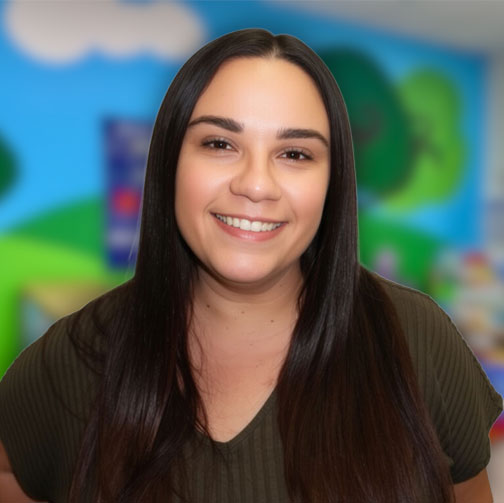
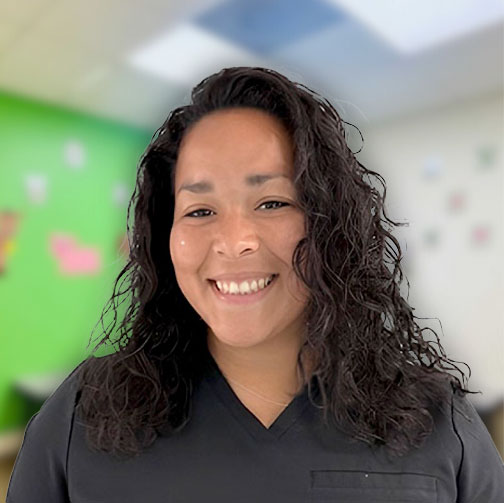
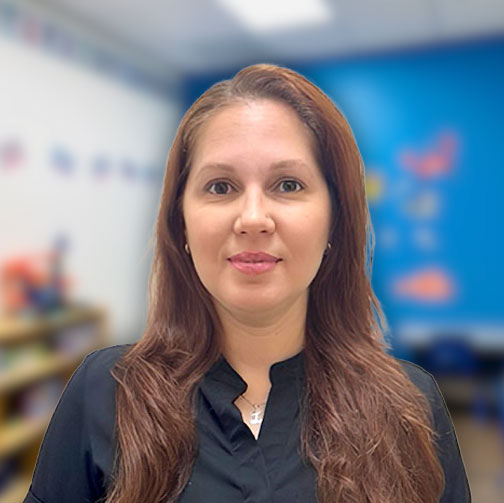
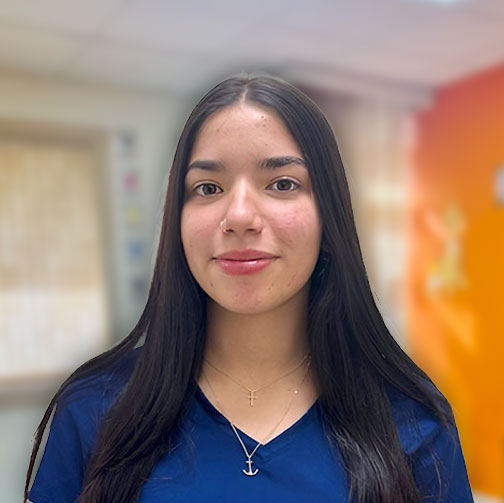
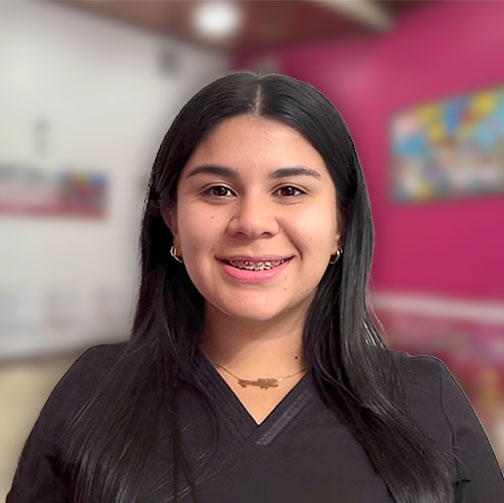
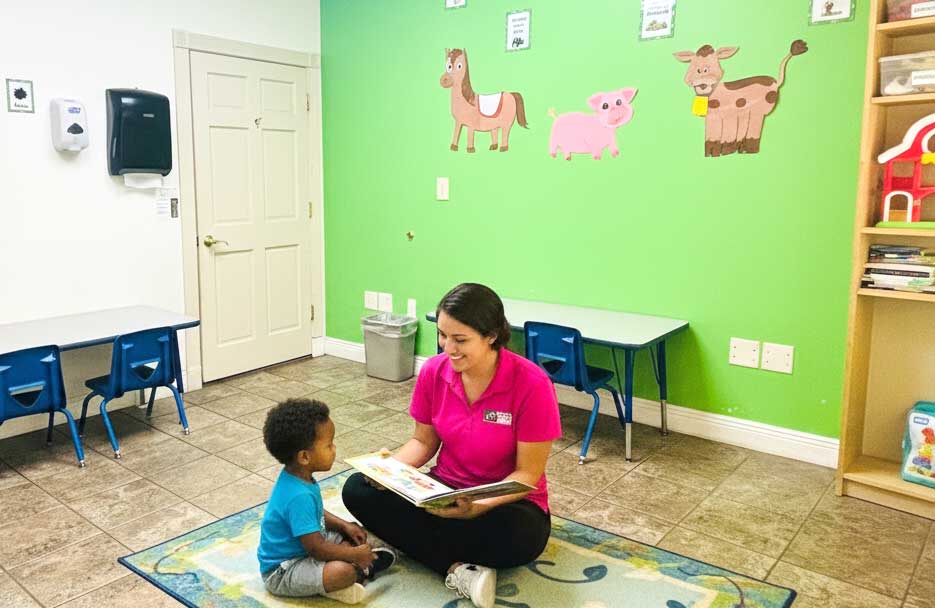
Meet the BCBA and RBT’s at Mestre Behavior.
BCBA vs. RBT: Understanding the Whole Team
It’s worth understanding the full picture of who will be working with your child. In a typical ABA program, the team includes both a BCBA and one or more RBTs (Registered Behavior Technicians). The RBT is the person your child will likely see every day. They implement the therapy sessions directly, following the program that the BCBA has designed. RBTs are trained, certified professionals — but they work under the BCBA’s supervision and do not independently design or modify treatment plans. The BCBA is the clinical brain behind the program. They observe, assess, plan, supervise, and adjust. Think of the BCBA as the architect and the RBT as the skilled builder — both are essential, and neither can do their best work without the other. Understanding this distinction helps you ask better questions and set clearer expectations when you’re starting ABA therapy for your child.
Finding the Right BCBA in Miami
For families in Miami and South Florida, finding a qualified, experienced BCBA-led ABA therapy program doesn’t have to be overwhelming. At Mestre Behavior, our center has been BCBA-owned and operated for over 16 years, with deep roots in the Kendall community and a team that is genuinely passionate about helping children with autism thrive. We offer individualized ABA therapy programs across a range of settings — center-based, in-home, and school-based — and our BCBAs provide consistent, in-person supervision throughout your child’s program. We also prioritize parent training as a core part of everything we do, because we know that the progress your child makes in therapy is only as lasting as the support they receive at home. If you’re ready to learn more about how our team can support your child, we invite you to reach out. We’re happy to answer your questions, verify your insurance benefits, and help you take the next step with confidence. Contact Mestre Behavior today at 305-668-8644 or visit our contact page to get started.
Mestre Behavior provides ABA therapy services in Miami, Kendall, Coral Gables, Pinecrest, Doral, Cutler Bay, Palmetto Bay, Homestead, and surrounding South Florida communities.
About the Author: Ashley Mestre, M.S., BCBA