
Building Community Skills with ABA Therapy for Children with Autism in the United States
Approximately 1 in 36 children in the United States are diagnosed with autism spectrum disorder (ASD), highlighting the growing need for targeted programs that build independence and real-world community skills. At Mestre Behavior Center in Miami, FL, we specialize in Applied Behavior Analysis (ABA) therapy designed to help children with autism develop the practical, social, and adaptive skills they need to thrive at home, in school, and in their communities.
This guide explains what community skills are, how ABA therapy strengthens social interaction, play engagement, and daily living abilities, and why families trust Mestre Behavior Center’s comprehensive, individualized programs backed by over 16 years of experience. Families will learn how ABA supports eye contact, turn-taking, nonverbal communication, cooperative play, shopping skills, public transportation use, and long-term independence. We also accept most major insurance plans, making high-quality care accessible and flexible for families across South Florida.
What Are Community Skills and Why Are They Essential for Children with Autism?
Community skills are adaptive behaviors that allow children to safely and confidently participate in everyday environments. These skills break complex real-world tasks into manageable, teachable steps that promote independence and social inclusion.
When children build strong community skills, they:
- Increase independence
- Reduce reliance on caregivers
- Build confidence in new environments
- Improve overall quality of life
Examples of Community Skills Taught Through ABA Therapy
- Grocery shopping: identifying items, waiting in line, paying at checkout
- Public transportation: recognizing stops, purchasing tickets, following safety rules
- Money management: identifying bills and coins, counting change, completing purchases
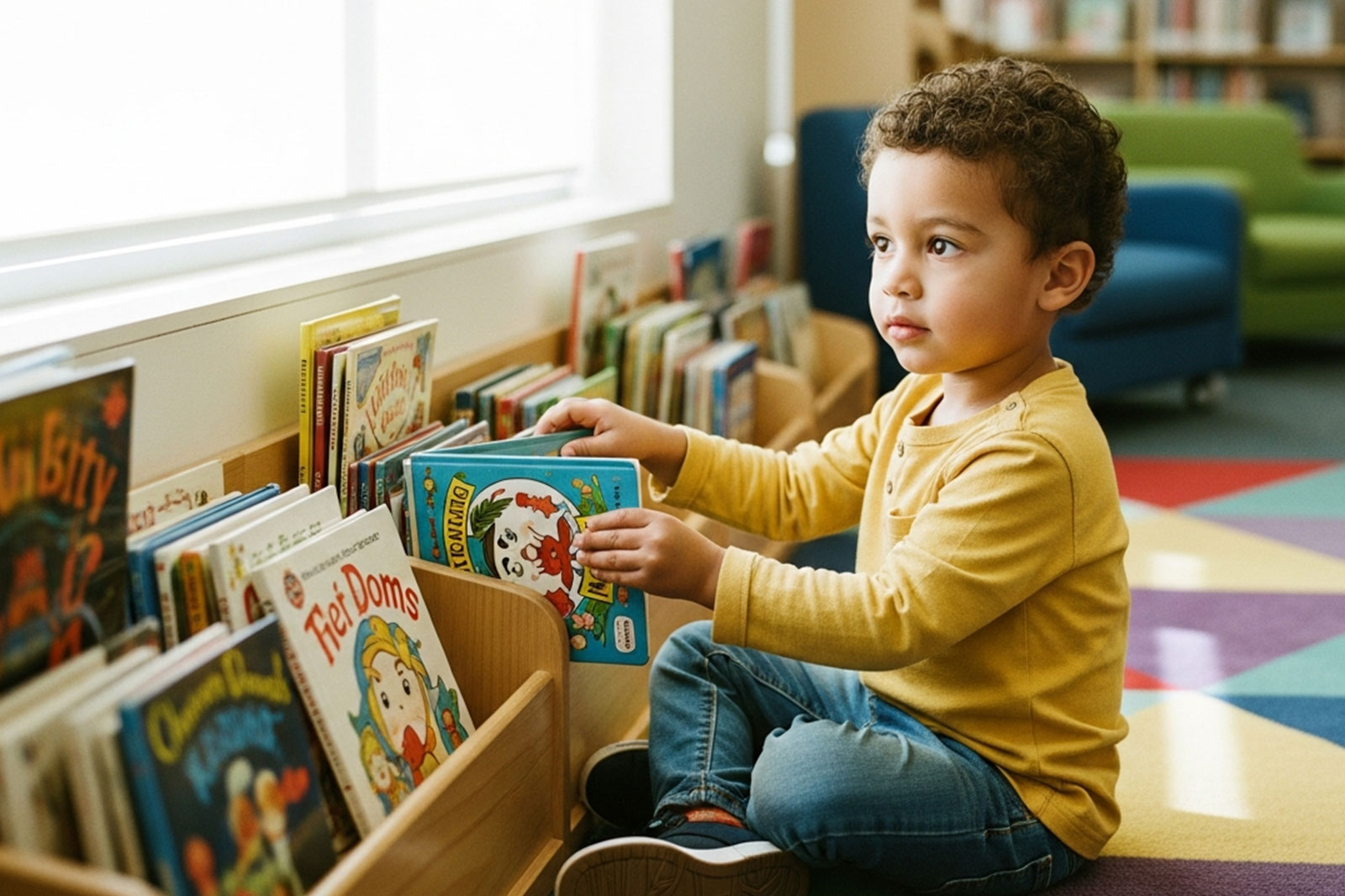
- Library and recreational visits: following schedules, requesting help appropriately
- Restaurant etiquette: ordering food, waiting patiently, sharing social space
Mastering these skills allows children greater freedom and helps families participate in community life with less stress.
How Do Community Skills Support Independence and Quality of Life?
ABA therapy turns unfamiliar situations into predictable routines through systematic instruction and positive reinforcement. For example, when a child learns step-by-step how to ride a bus or order at a restaurant, they gain confidence and problem-solving abilities that reduce anxiety.
As independence increases, so does social inclusion. Successfully interacting in community settings strengthens communication skills, self-esteem, and emotional regulation.
Mestre Behavior Center delivers therapy in:
- The home
- The child’s school
- Community settings
- Our Miami-based center
This ensures skills generalize across environments — a critical component of long-term success.
How Does Autism Affect Community Skill Development?
Children with autism may experience:
- Challenges with social communication
- Difficulty interpreting nonverbal cues
- Sensory sensitivities in busy environments
- Rigid thinking patterns
- Anxiety with unfamiliar routines
These challenges can make tasks like waiting in line, navigating stores, or using transportation overwhelming.

ABA therapy addresses these barriers through:
- Individualized treatment plans
- Visual supports and schedules
- Gradual exposure to community environments
- Sensory accommodations
- Reinforcement-based learning
This personalized approach builds coping skills and confidence in real-world settings.
How Does ABA Therapy Improve Social Interaction Skills?
ABA therapy improves social interaction by:
- Defining clear target behaviors (eye contact, greetings, turn-taking)
- Breaking them into teachable components
- Using consistent data collection
- Reinforcing successful attempts
Therapists embed social learning into daily routines so children practice skills naturally. Over time, children learn to initiate conversations, respond to peers, and interpret social signals in authentic environments.
ABA Techniques for Building Core Social Skills
Teaching Eye Contact and Greetings
Therapists use:
- Discrete trial instruction
- Natural environment teaching
- Prompting and prompt fading
- Immediate positive reinforcement
Skills are practiced in structured settings first, then generalized to school, playgrounds, and community events.
Developing Turn-Taking and Conversation
Children participate in:
- Structured peer interactions
- Role-play scenarios
- Guided group sessions
- Story-based conversation practice
Progress is tracked and adjusted to ensure growth in reciprocal communication.
Understanding Nonverbal Cues
ABA incorporates:
- Video modeling
- Social stories
- Guided practice
- Real-world reinforcement
Children learn to interpret facial expressions, gestures, and body language to reduce misunderstandings and improve peer relationships.
Play Skills That Strengthen Community Engagement
Play is foundational to social development. ABA therapy builds:
- Cooperative play
- Sharing
- Joint attention
- Flexible thinking
- Imaginative role-play
Through structured and naturalistic activities, children develop meaningful peer interactions that extend into classrooms, parks, and social groups.
Teaching Functional Independence Through ABA
Public Transportation Skills
Therapists break transportation into manageable steps:
- Planning the route
- Purchasing tickets
- Practicing safety rules
- Demonstrating rider etiquette
Prompting is gradually faded as independence increases.
Shopping and Money Management
Children learn to:
- Create a shopping list
- Locate items
- Handle payment
- Count change
Token systems and real-world practice build confidence in financial transactions.
Safety and Community Etiquette
ABA teaches:
- Street safety
- Appropriate public behavior
- Waiting and queuing
- Respecting personal space
Role-play and real-life practice reinforce essential safety habits.
The Role of Parent Training in Skill Generalization
Parent involvement is key to long-term success.
Mestre Behavior Center provides:
- Parent coaching sessions
- Caregiver workshops
- Step-by-step ABA guides
- Flexible scheduling, including telehealth options
Parents learn how to:
- Use visual schedules
- Provide effective prompts
- Reinforce positive behaviors
- Gradually fade support
This collaboration ensures skills learned in therapy transfer to everyday life.
Addressing Challenging Behaviors in Community Settings
ABA therapy uses Functional Behavior Assessments (FBA) to determine why challenging behaviors occur. Treatment plans focus on teaching replacement skills rather than using punishment.
Children learn:
- Functional communication
- Emotional regulation strategies
- Coping skills for sensory overload
- Self-management tools
Positive reinforcement strengthens appropriate alternatives and builds emotional resilience.
Long-Term Benefits of Early ABA Intervention
Research consistently shows that early, intensive ABA therapy improves:
- Communication skills
- Adaptive behavior
- Social functioning
- Emotional regulation
- Long-term independence
Children who begin therapy at younger ages often show stronger language development and smoother transitions into school and community environments.
With over 16 years of experience serving families in South Florida, Mestre Behavior Center’s team of Board Certified Behavior Analysts (BCBAs) and therapists provides compassionate, data-driven care across center, home, school, and community settings.
Begin Building Community Skills Today
If you are looking for professional, flexible ABA services in Miami, FL, Mestre Behavior Center offers personalized treatment plans designed to promote independence, inclusion, and lifelong success.
Contact Mestre Behavior Center today to schedule a consultation and learn how our comprehensive ABA therapy programs can help your child thrive at home, at school, and in the community.
About the Author: Ashley Mestre, M.S., BCBA